.avif)

.avif)
.avif)




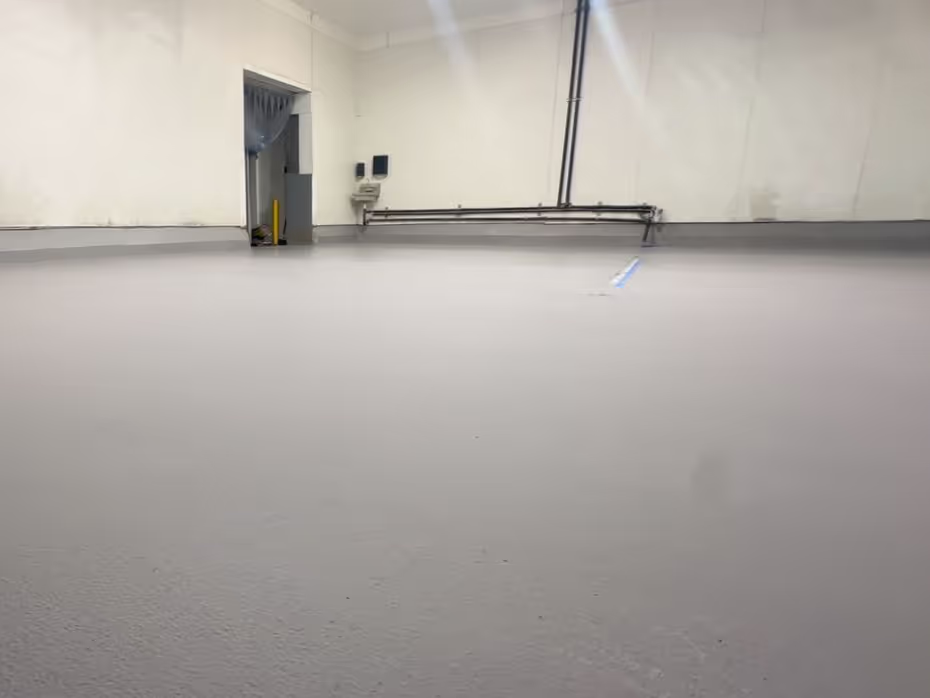
What a Quarter Inch of Floor Buys You
Most floor coatings are a film. A good one is thinner than a business card, and everything that lands on it goes straight through to the concrete, which is where the chip starts. Urethane cement is not a film. It is a mortar, mixed on site and troweled down at a quarter inch, so the floor has enough body to absorb a blow across its own thickness and the slab underneath never feels it. That one difference is why we specify it for the hardest rooms in Fontana.
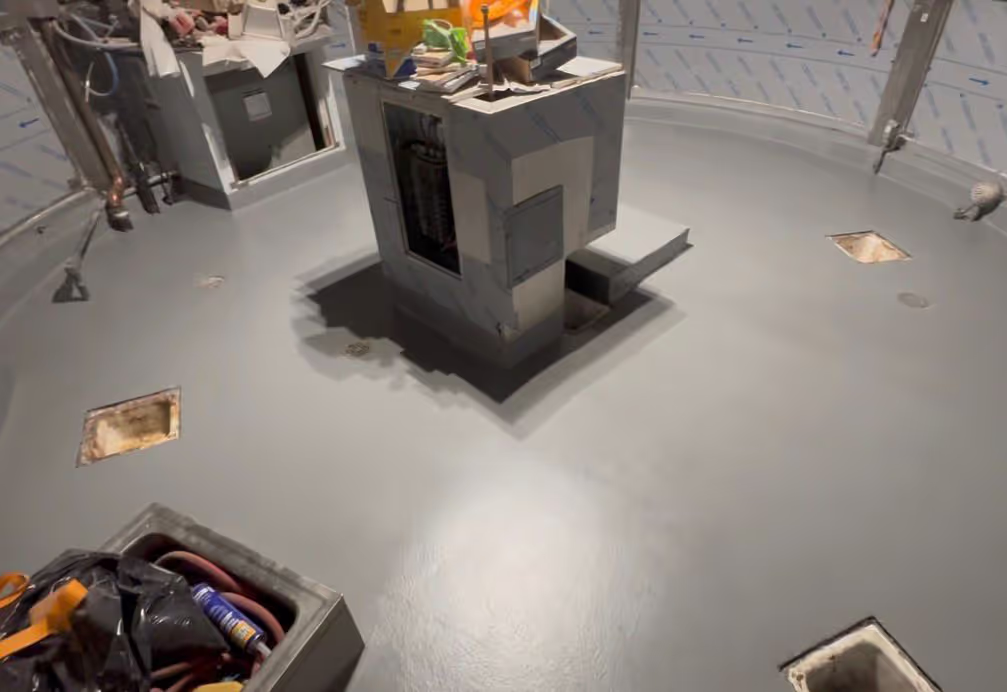
The rest of what urethane cement flooring does follows from that thickness. It moves with the concrete as the temperature swings, so a hot pressure wash does not shear the bond the way it will with an epoxy. It shrugs off diesel, degreaser and coolant, goes down over slabs too damp for a resin coating, and cures with very little odor. Where a room needs the chemical resistance but not the mass, a quartz flooring broadcast puts graded aggregate through a resin build for less money per square foot.
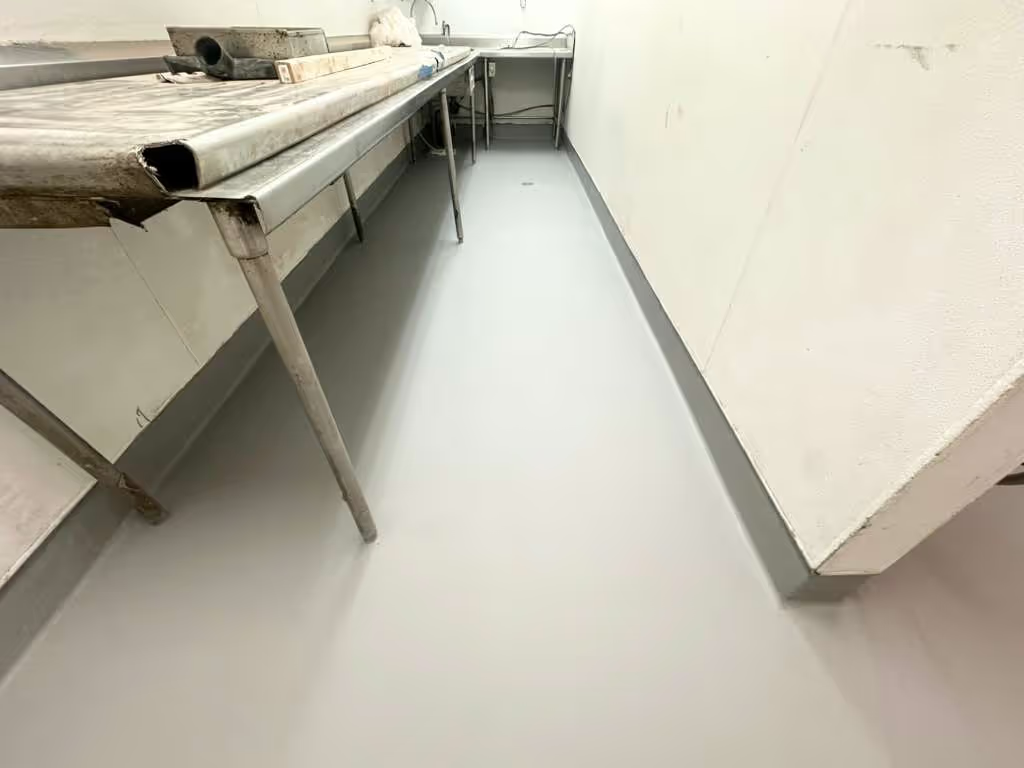
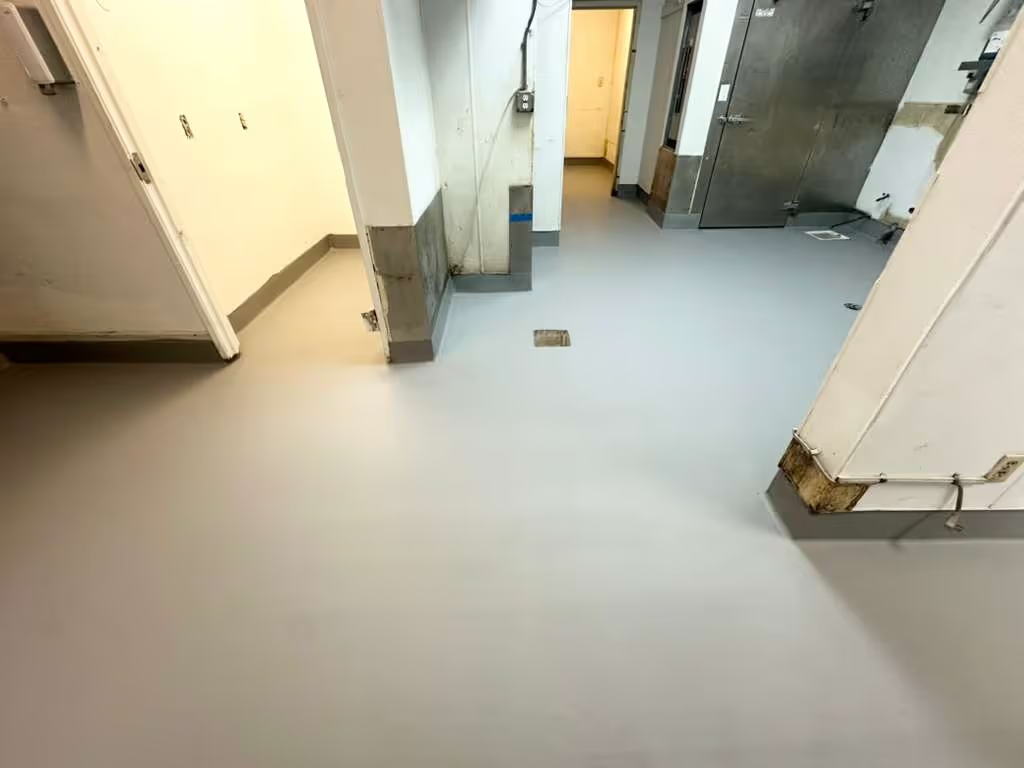
Day to day you get one continuous surface with nothing in it to fail. No joints for grit and oil to sit in, no film to peel back from a doorway, and no bare patch spreading out from the spot where the same part gets set down every shift. It is textured to the grip the room needs, it hoses off or scrubs clean with a neutral cleaner, and it needs no stripping, resealing or annual recoat to keep doing its job.
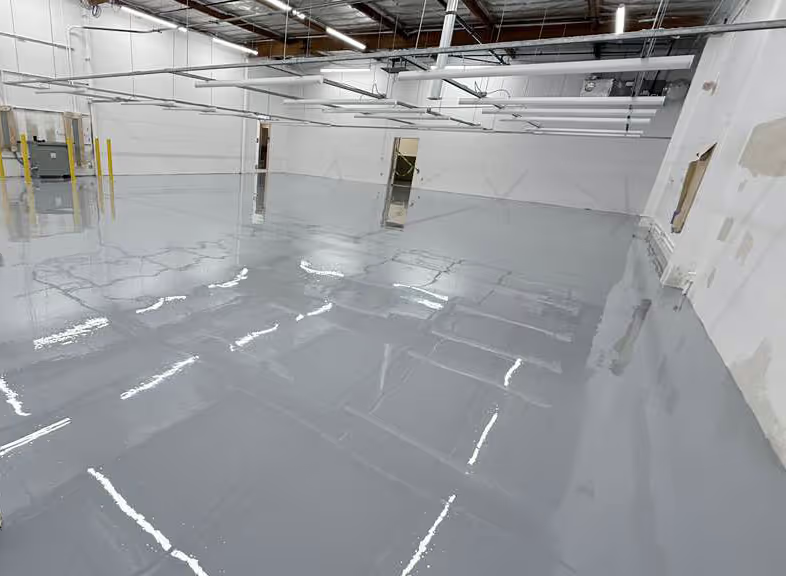
Not every room in a Fontana building needs a mortar, and we say so on the walkthrough. Parts rooms, offices and corridors that see feet and hand carts are better served by solid color epoxy laid thick, seamless and sealed in whatever color you pick, for a fraction of the price. Over most of those we finish with a polyaspartic floor coating as the clear, because it outlasts a clear epoxy under abrasion and keeps its color where the sun reaches the floor. Both are itemized on the quote room by room.