.avif)

.avif)
.avif)




Ground Clean, Sealed Tight, Back in Use Within Days
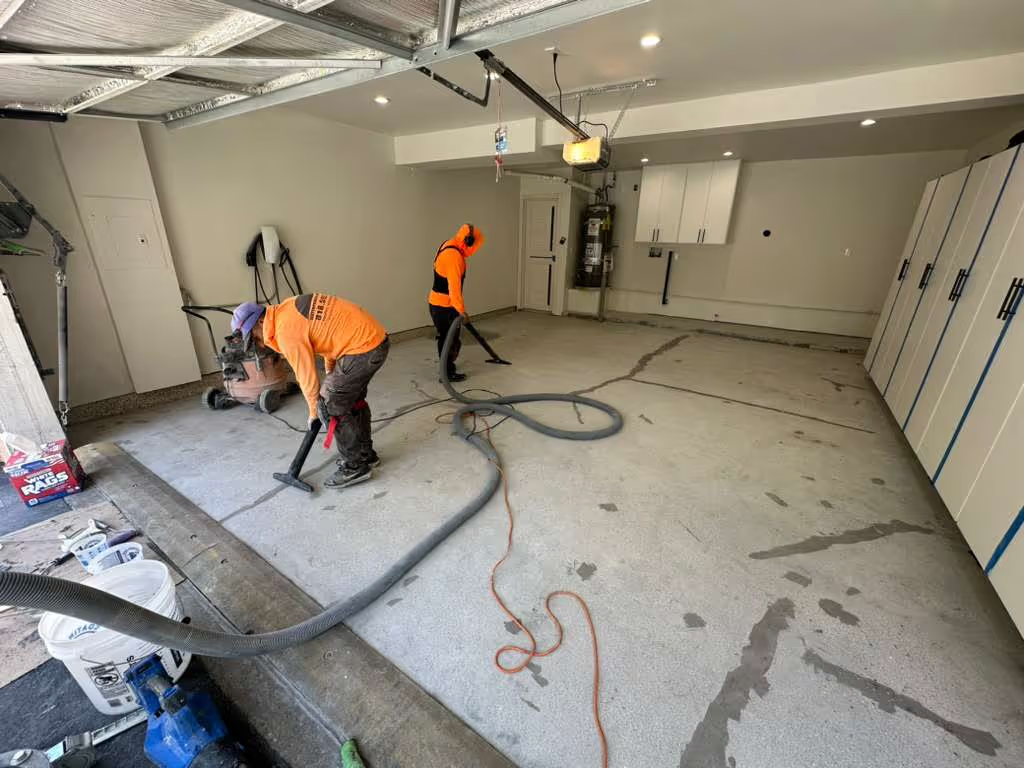
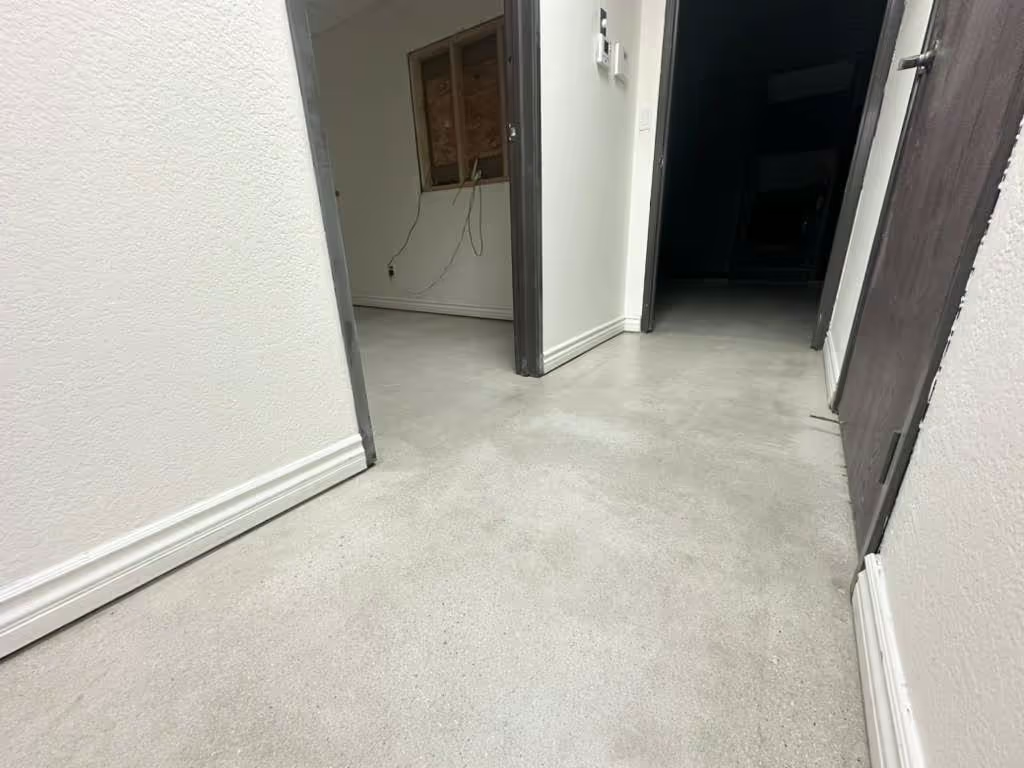
A bare slab is never really finished. It sheds a fine gray dust for as long as it exists, it drinks whatever is spilled on it, and it shows every stain and tire mark from the day the building opened. Grinding takes that weak surface off and exposes clean concrete, and the sealer closes that concrete so nothing gets in. What you are left with in an Ontario unit is a floor that sweeps clean, mops clean and looks deliberate, for a price that sits under any coating.
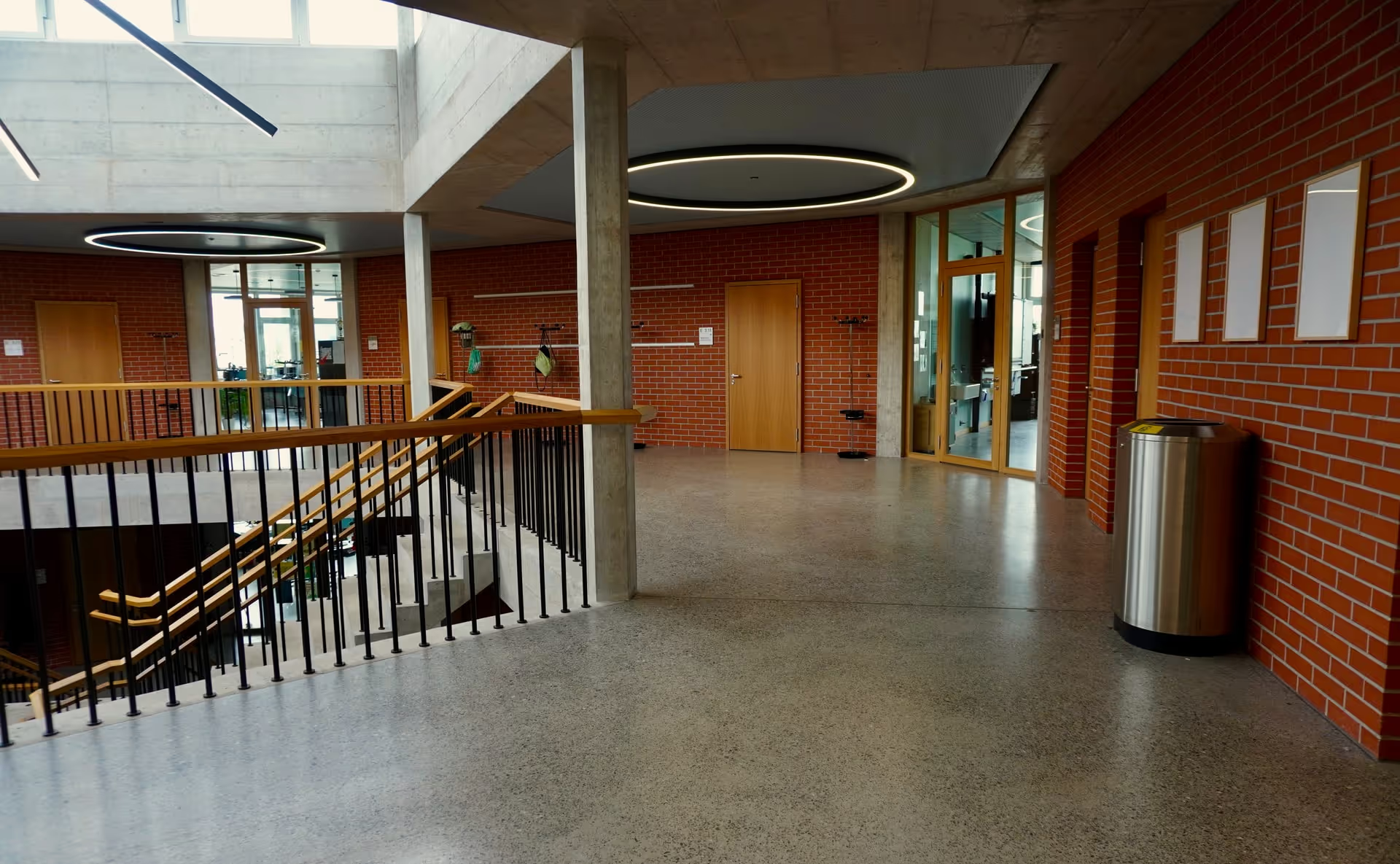
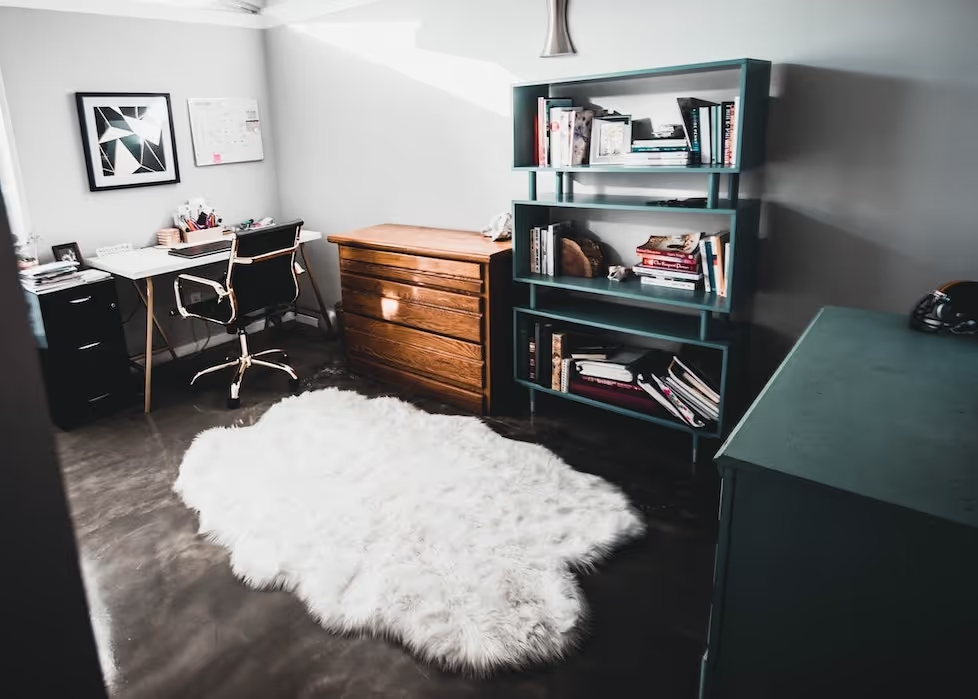
A grind and seal floor is two operations and nothing else. The grind decides how much of the concrete shows through: a light pass leaves the slab looking like itself, only cleaner, while a deeper cut exposes the sand and stone in the mix for the speckled surface people ask for by name. Where you want that look taken further, with the surface itself hardened and burnished until it holds a shine with no sealer on it at all, that is polished concrete and it is a bigger job with a longer life.
Day to day, the sealer does the work. Oil, coffee, water off a delivery and whatever comes in on tires sit on top of it until somebody wipes them, instead of soaking into the slab and staying there. The floor does not dust under foot traffic or carts, so stock, tools and the air in the room stay cleaner, and a broom or a damp mop with a neutral cleaner is the entire maintenance routine. There is no wax, no stripping and no polishing schedule.
It is also honest about its limits. A sealer is thin, and a room that takes forklifts, hot tires all day or a nightly chemical wash needs a resin floor over the slab rather than a sealer in it: solid color epoxy at a proper film build for most Ontario workshops and units, closed under a polyaspartic floor coating where the color has to hold in sunlight or the room has to be back in use in a day. We will say when a grind and seal is the right floor and when it is only the cheap one.