.avif)

.avif)
.avif)



Ten to Fifteen Years of Hard Wearing Floor
Properly maintained, a polyaspartic system runs ten to fifteen years and often longer, and that number is the reason to specify it in the first place. The floor earns its keep by staying out of the way: no yearly touch up, no re-coating cycle, and no season where the room starts to look tired.
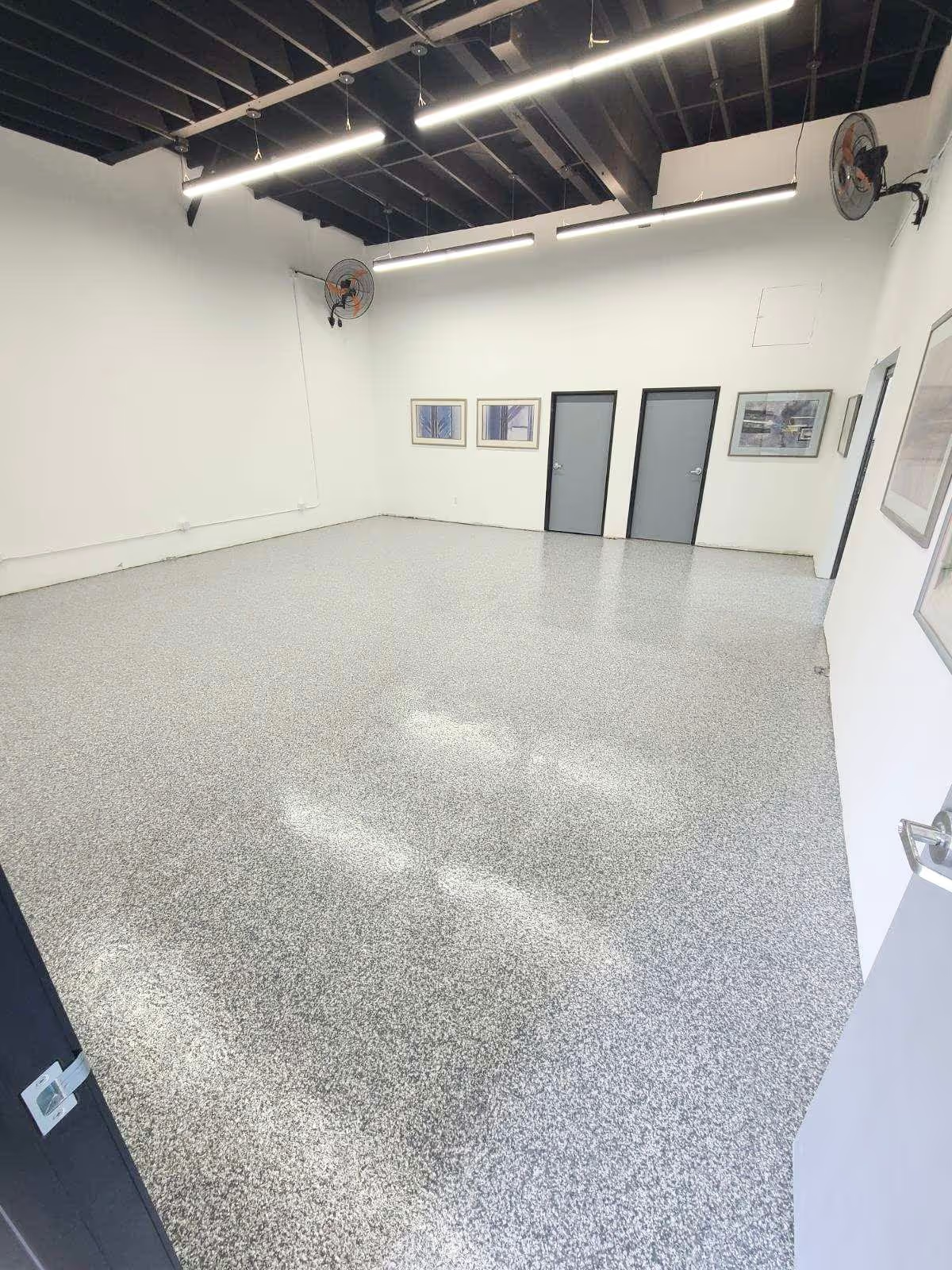
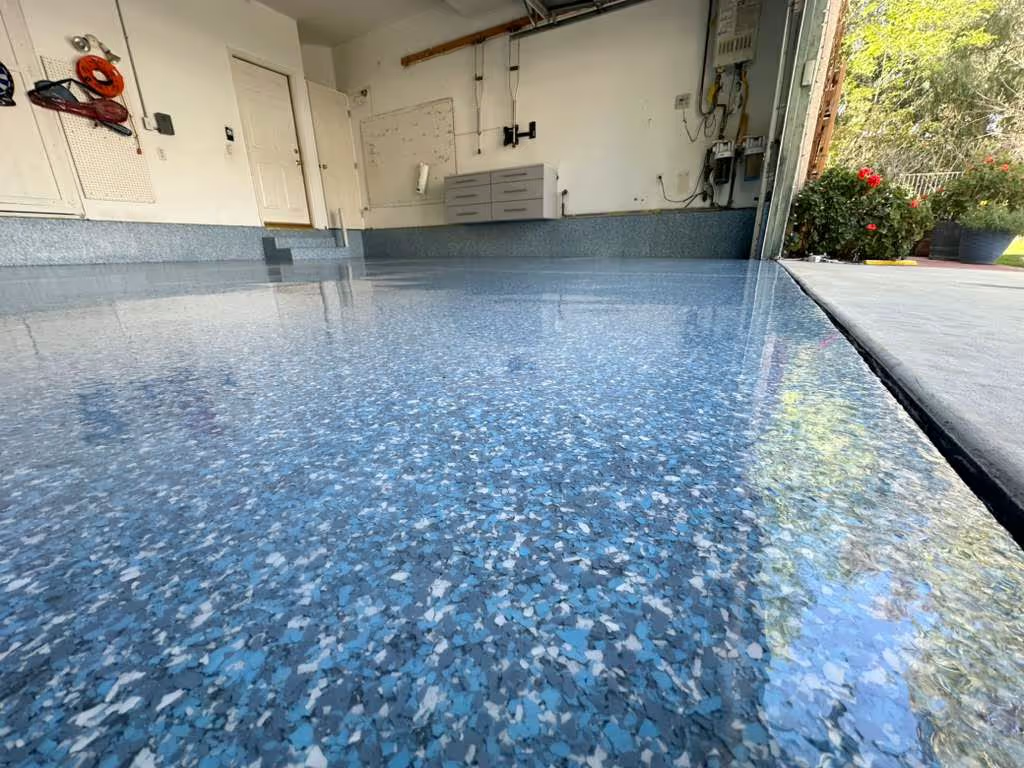
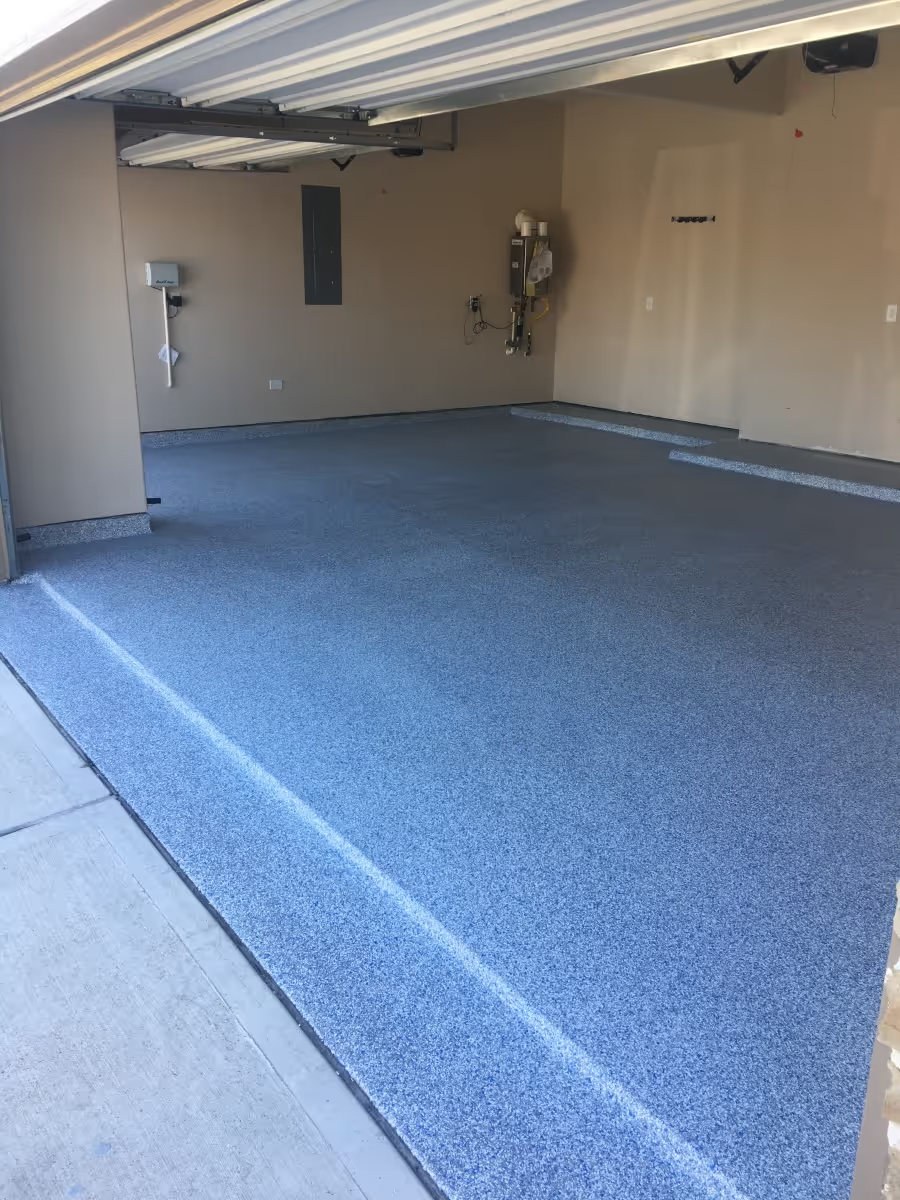
What you are actually picking is the look, because the build underneath it does not change. Vinyl chip broadcast through the base coat gives you flake flooring with a speckled finish, while a single color reads calmer and more deliberate. Either way the floor closes under a polyaspartic clear, and that clear is the layer doing the work. On the residential side of Corona this is what we install as garage floor coatings over slabs that were poured flat, left bare and never given a finish.
Hardness is what you are buying in that top coat. Tool chests, trolleys and wheeled equipment put their whole weight through a few square inches of caster, and that point load is what a finish has to survive over and over again. Polyaspartic is the hardest clear we install, which is why it goes over every build we put down and not only the expensive ones. It stands up to sunlight too, so the shade you pick is the shade you keep rather than something that yellows along the open side of the door, and a car parked in hot off the 15 will not take the finish up with its tires.
Where a floor will be looked at as much as walked on, the finish to ask about is metallic epoxy, which is worth seeing in person first because no two of them come out quite alike. Where one unbroken color would serve the room better, the answer is solid color epoxy. Both finish under the same polyaspartic clear, so the decision in front of you is about how the floor looks rather than how long it will last. You will hear which one we would put in your room before any material is mixed.

.avif)