.avif)

.avif)
.avif)




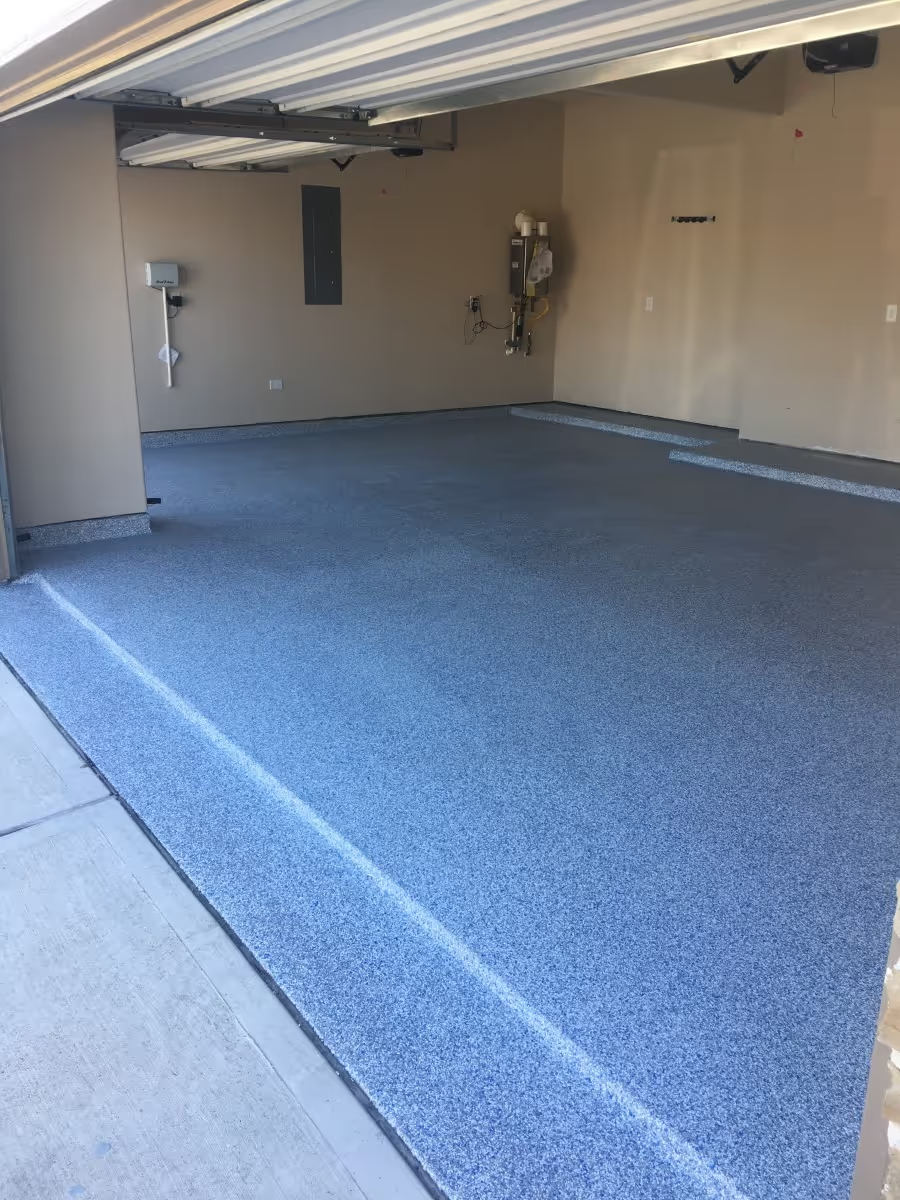
What We Install and How It Is Built
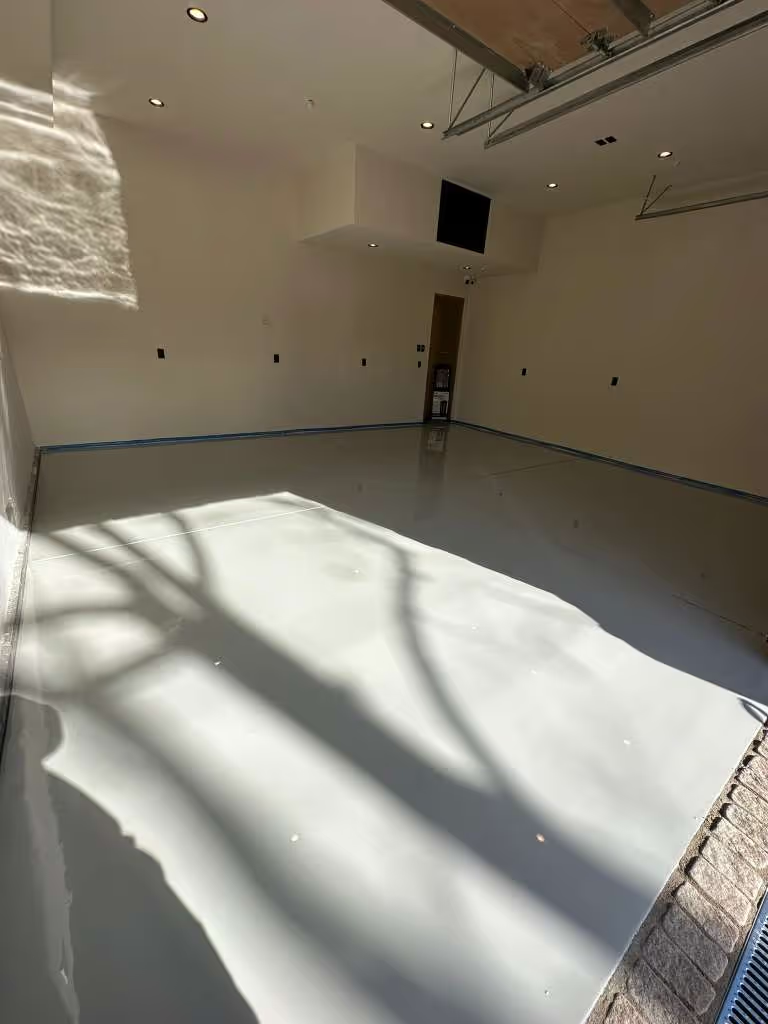
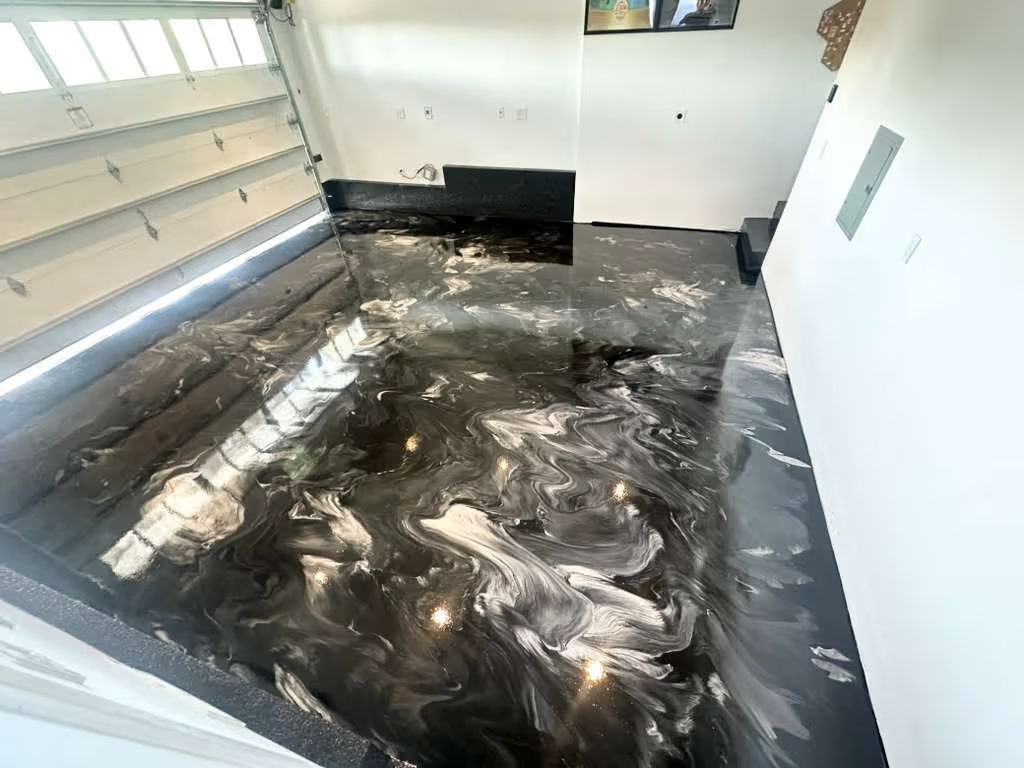
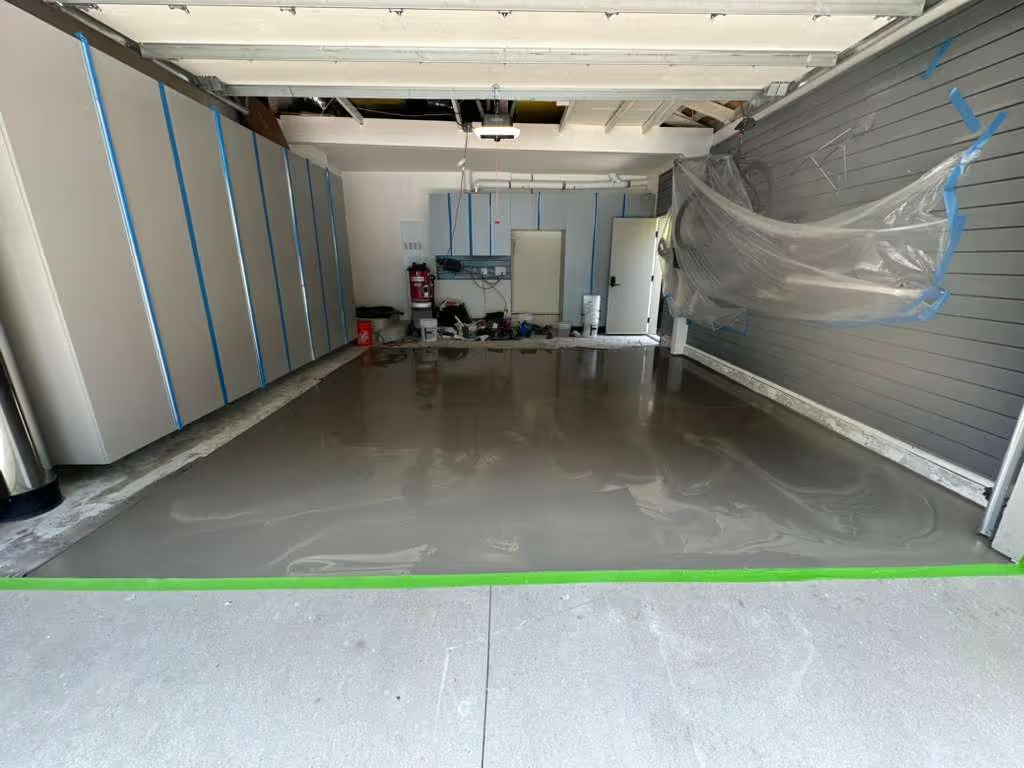
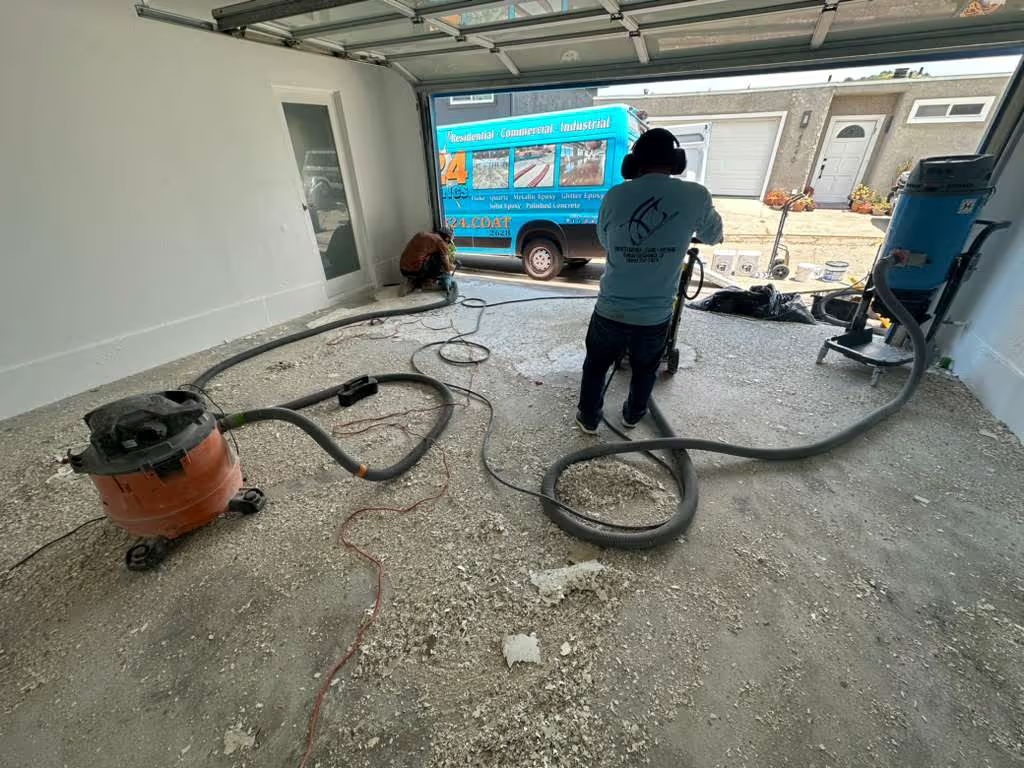
An Eastvale garage floor arrives as layers rather than as paint, and the layers are what you are paying for. The slab is ground back with diamond tooling so the concrete is open and clean, primed, then given a pigmented high build epoxy. Vinyl flake is broadcast into that base before it sets, the loose chip is scraped off once it has cured, and a clear polyaspartic closes the whole surface. Each of those products is written into the quote by name.
Thickness is what separates our garage floor coatings from something rolled on in an afternoon. We specify the base by film build rather than by how many coats it gets, because two thin passes leaves you with a thin floor either way, and film build is the entire margin between the concrete and everything that happens above it. Flake flooring goes into most garages here because the chip carries color and texture right through the wearing surface, disguises the grit a driveway brings indoors, and leaves enough tooth underfoot to stay safe when somebody walks in wet.
Sealed that way an Eastvale slab stops being a maintenance problem. Bare concrete gives off fine dust without ever stopping and drinks in every drip that lands on it, and none of that comes back out again. A closed floor keeps hold of nothing: oil, brake fluid and whatever washes off the cars stay on the surface until somebody wipes them, hot tires will not lift the finish, and a blower or a mop clears the entire bay in a couple of minutes.
The clear coat is where the money earns out. Polyaspartic is harder and far better against abrasion than the clear epoxy it replaces, and it resists ultraviolet light, so the floor keeps the color you chose even where daylight reaches it through an open door. Where a household would rather have one calm unbroken tone than a chip pattern, solid color epoxy delivers that and takes the identical clear over the top. The look changes; the part doing the surviving does not.