.avif)

.avif)
.avif)





What Microcement Gives a Hotel or Tasting Room
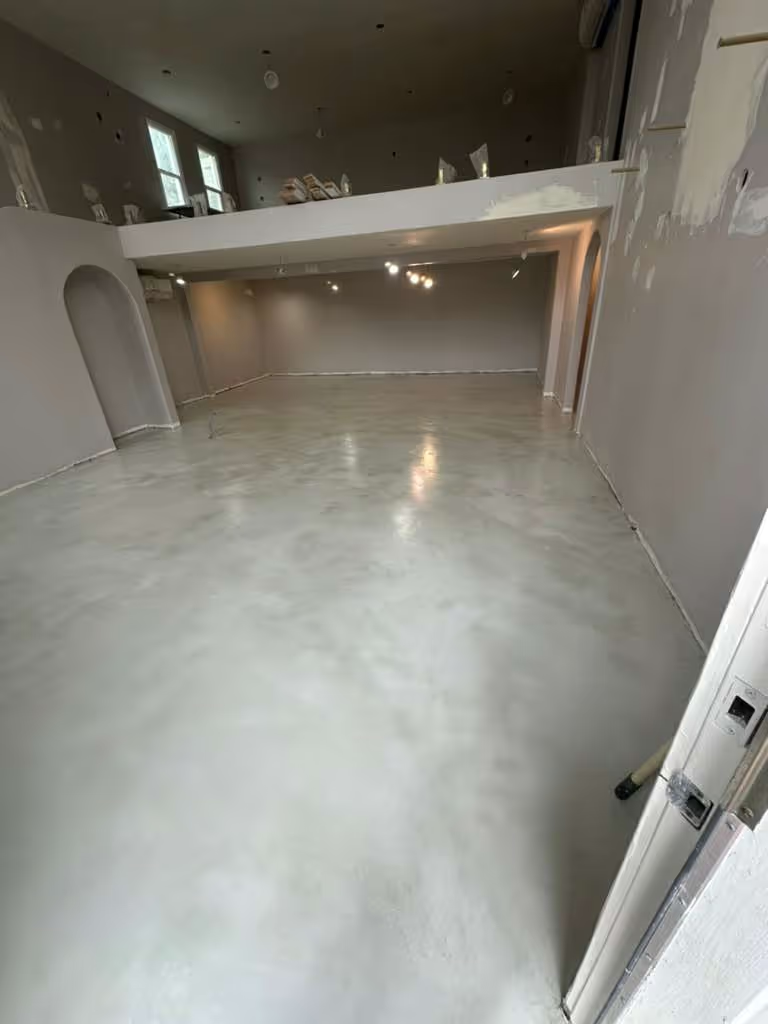
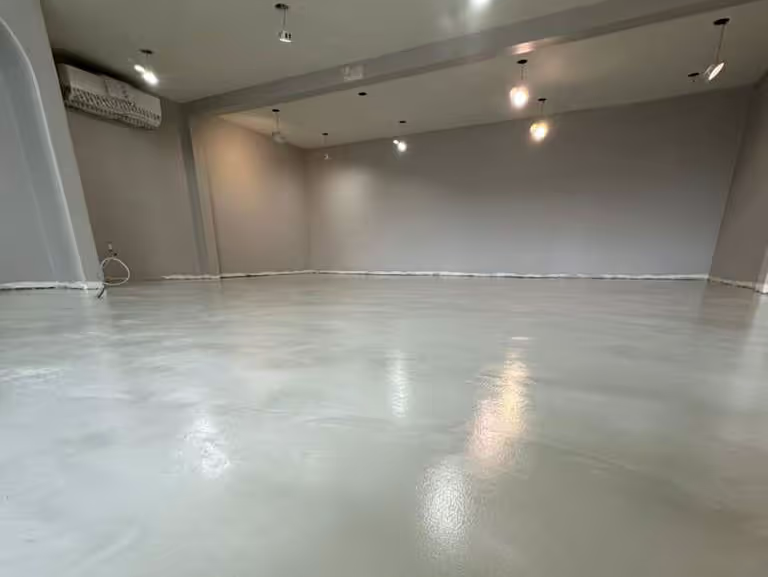
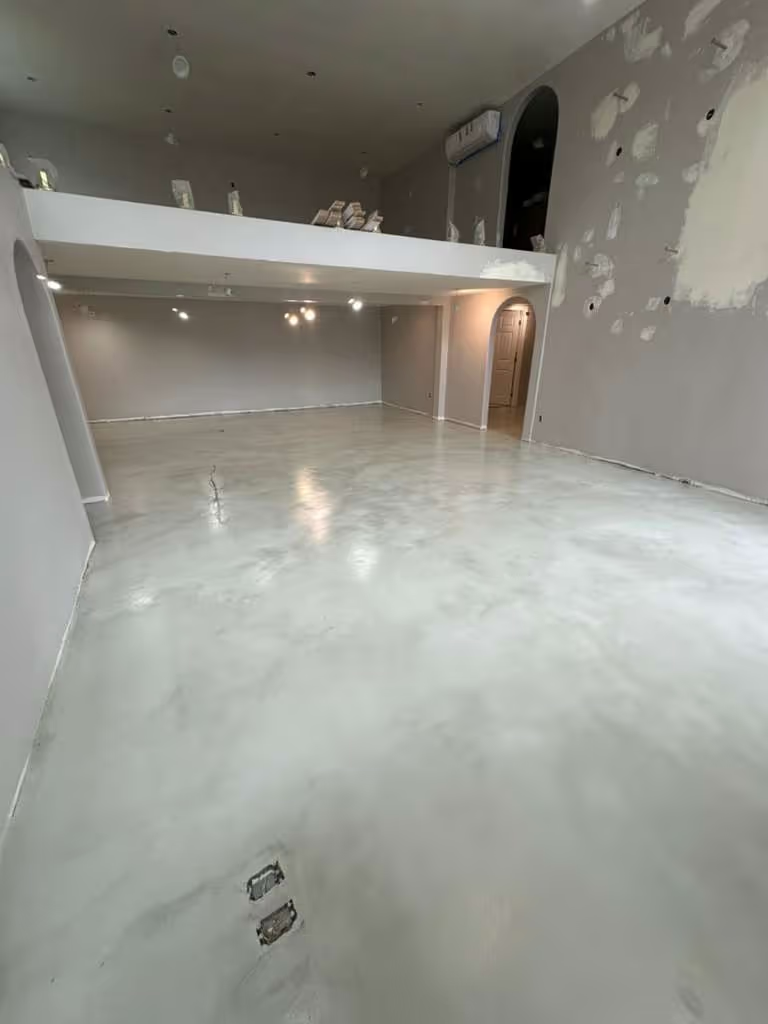
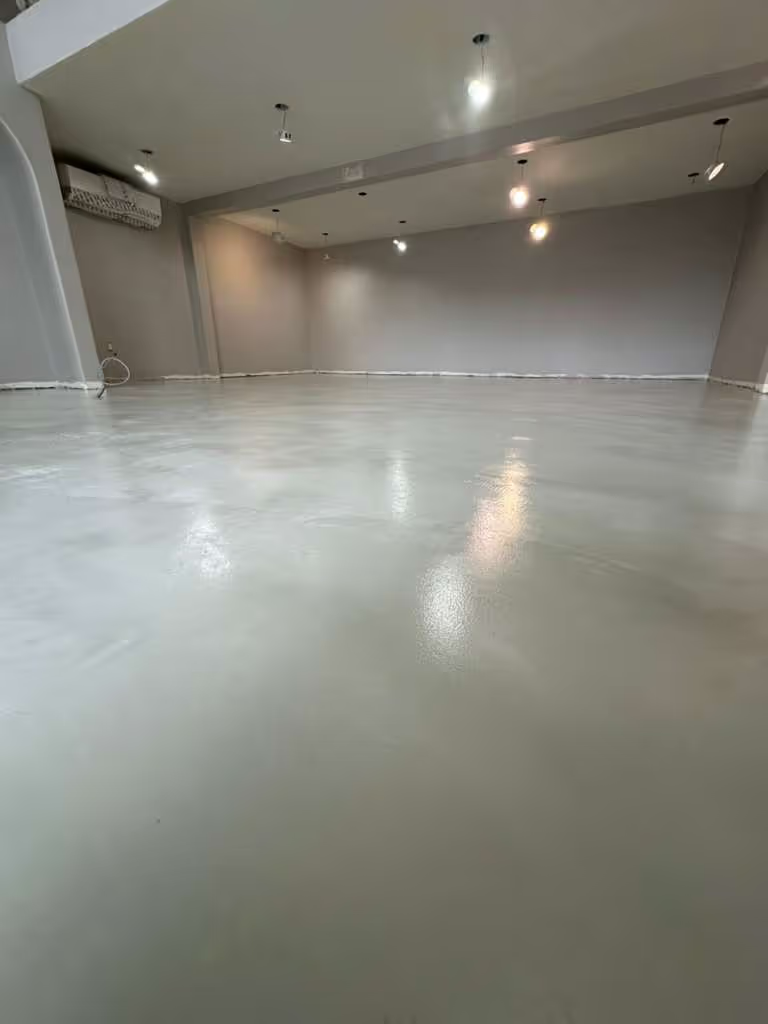
The commercial case is straightforward. It is seamless, so there is nothing for spilled wine, foot traffic or a mop to work into, and a room reads as one surface rather than as a grid. It is warm underfoot and quiet in a way tile is not, which matters in a dining room where hard surfaces already make the acoustics difficult. And it takes the daily wipe-down of a hospitality floor without staining or dulling the way an unsealed cement finish would.
The other benefit is what you do not have to do to get it. Microcement builds up only a few millimeters, so in most rooms it goes over the floor that is already there rather than after it. No demolition, no skip, no dust for a week, and no threshold height problem at every doorway. For a business that has to reopen on a date, avoiding a rip-out is usually worth more than the cost difference between one finish and another.