Metallic Epoxy Floors in Simi Valley

Metallic epoxy is the only floor we install where the final pattern is not fully decided by the installer. Metallic pigment suspended in clear resin keeps moving while the coat levels, and what it settles into is the floor you keep. We control the palette, the density and how hard the resin is worked. The rest is chemistry.

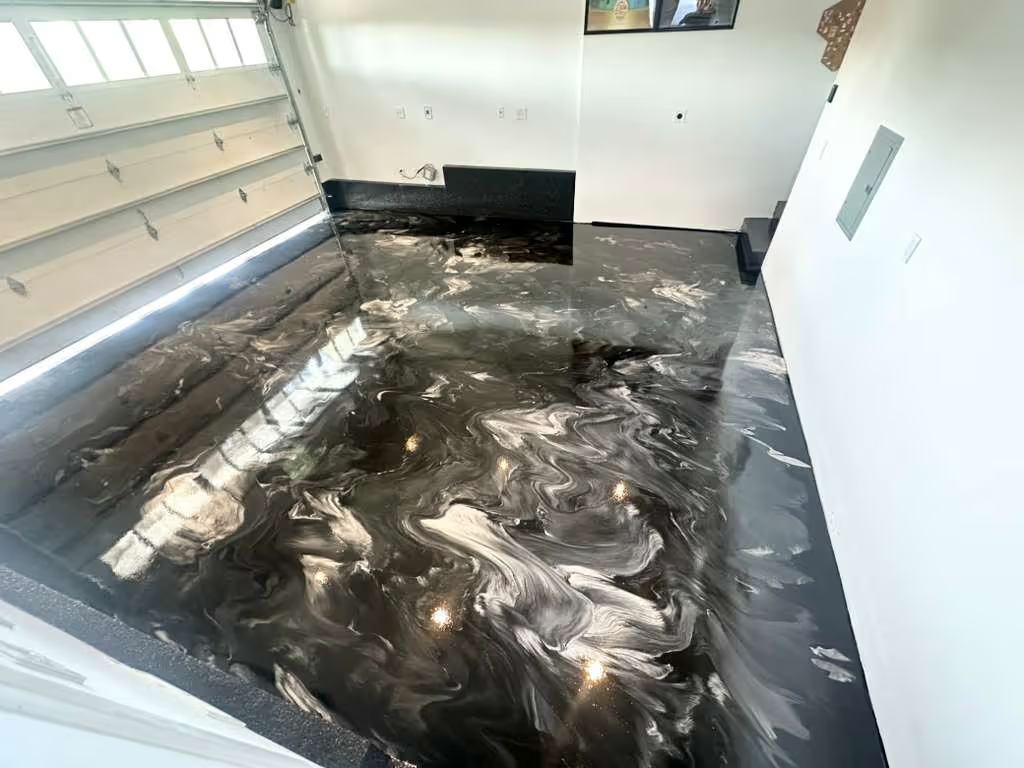
Garage interior with a glossy black and silver metallic epoxy floor and white walls.

How the Pattern Actually Forms

A metallic floor is built in layers. A pigmented base coat goes down first and blocks out the slab, then the metallic coat, clear resin loaded with fine mica-based pigment, is poured over it. While that coat is still open, the pigment separates and drifts, driven by how thick the pour is and how much solvent is worked into it.

That movement is what produces the veining. A light touch leaves broad, slow pools of color. Working the surface harder with a blower or a spiked roller pulls the pigment into tighter ripples and sharper contrast. We agree the intensity before we pour, because once the resin starts to gel there is no adjusting it.
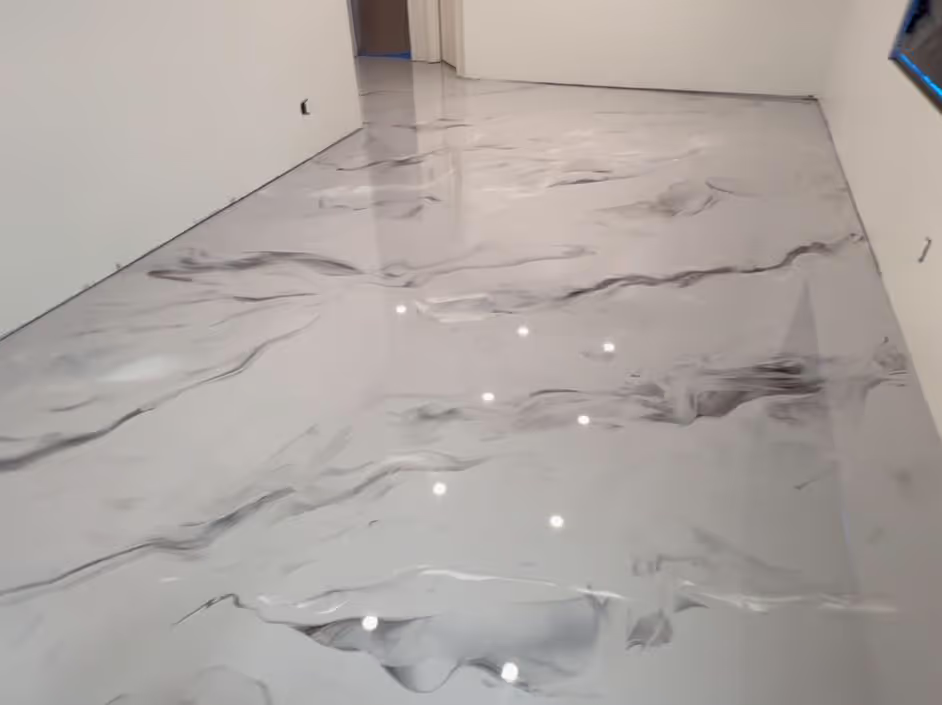
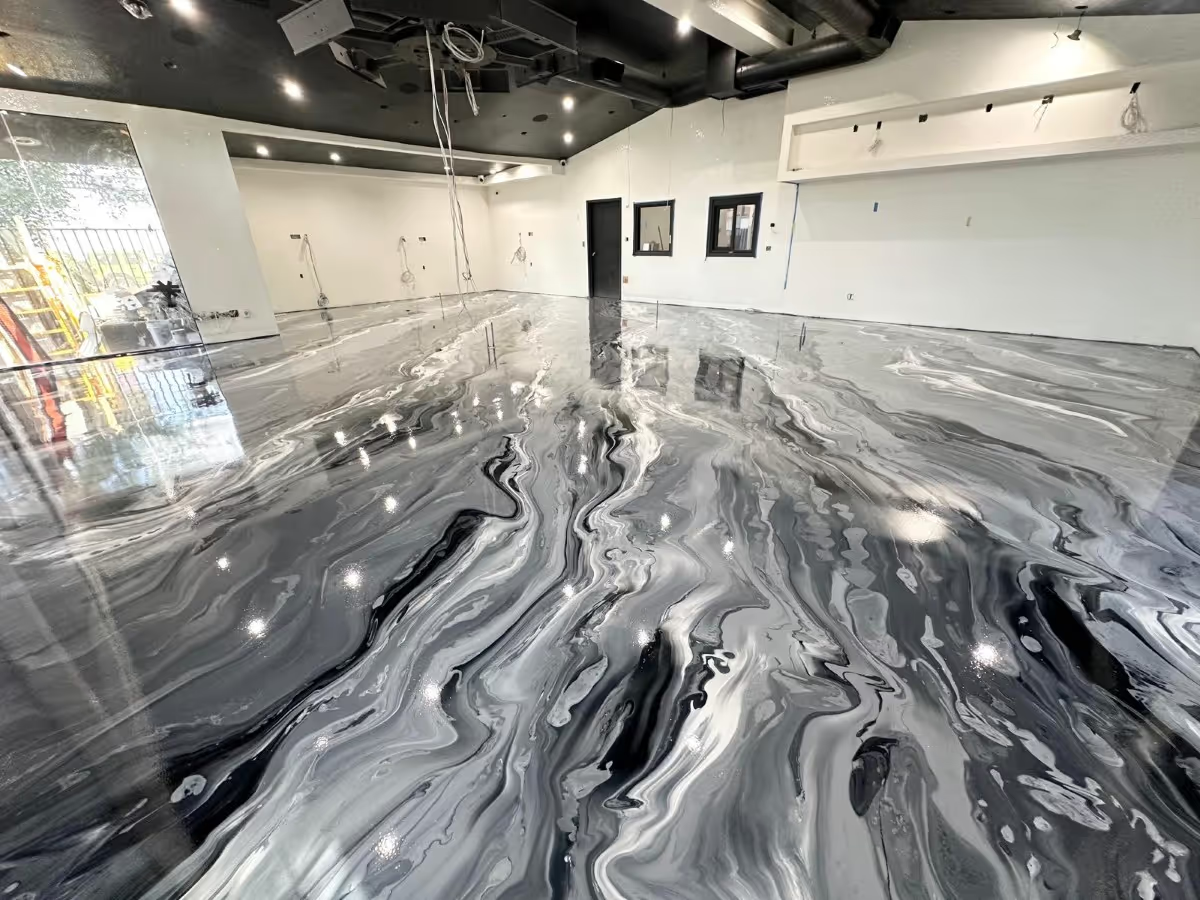
Room with freshly installed metallic epoxy floor featuring a smooth, glossy surface with swirling gray patterns on a light background.
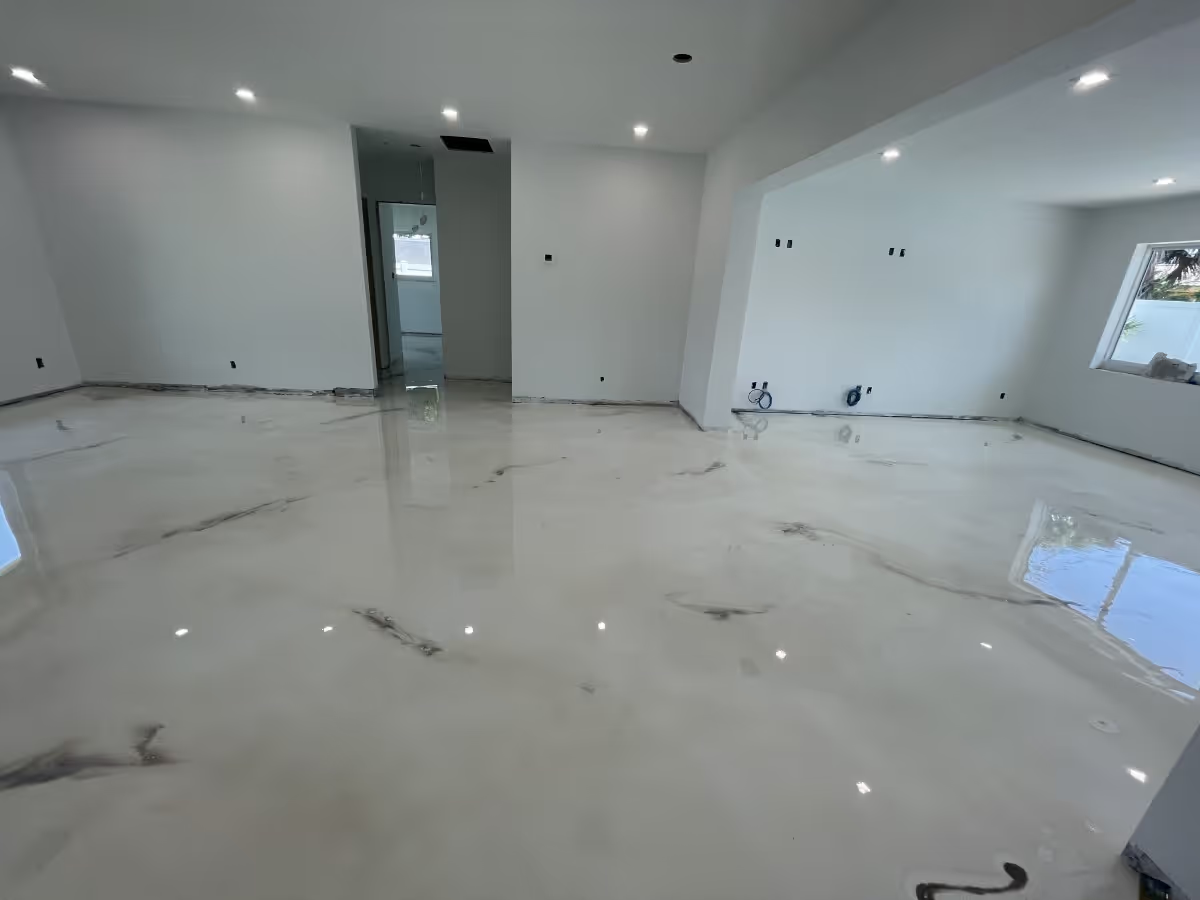
Empty room with a glossy, marbled black and white epoxy floor and white walls under ceiling lights.

Picking Colors That Still Look Right in Two Years

Most people choose from a photo, and photos of metallic floors are almost always shot wet and lit from one side. The same floor under a Simi Valley garage's fluorescent strip reads considerably flatter. We bring sample boards and look at them in the room they are going in, at the time of day the room actually gets used.

Two pigments is the usual limit for a floor that stays easy to live with. Three or more can work in a showroom, where the floor is the point, but in a home it starts competing with everything else in the room. Darker bases hide dust between cleans; lighter ones show every footprint but make a small space read bigger.

What the Slab Has to Do First

Metallic epoxy is a thin, glossy, self-leveling system, which means it reports the slab underneath rather than hiding it. Any hollow, ridge or trowel mark left by the original pour will show up in the reflection. We diamond grind the whole floor to open the concrete, cut out and fill cracks, and level the low spots before any resin goes down.

Simi Valley's housing stock is largely 1960s through 1980s tract construction, and those garage slabs are usually flat and sound but sealed, oil-stained near the center bay, and cracked at the control joints. Grinding takes care of the sealer and the staining. Moving cracks get chased out and filled with a rigid polyurea so they do not telegraph through the finish.

Residential Metallic Epoxy Floor
Metallic Epoxy Flooring Los Angeles

Serving Simi Valley and the Surrounding Area

We cover all of Simi Valley, from Wood Ranch and Long Canyon across to Sinaloa and the older streets off Los Angeles Avenue, along with neighboring Moorpark, Thousand Oaks and Chatsworth over the pass.

A two-car garage is typically three days on site: grind and prep the first day, base coat the second, metallic coat and topcoat the third, then a further day before vehicles go back on it. Send the square footage and a photo of the existing floor and we will quote it free.

Contact Rise Coatings

Give us a call if you have any questions related to our flooring services, if you would like to inquire about a large flooring project or would like to receive a complimentary onsite estimate.

Get Your Free Estimate
Thank you for contacting Rise Coatings. One of our representative will get back to you as soon as possible.
Oops! Something went wrong while submitting the form.